Death in a Nutshell
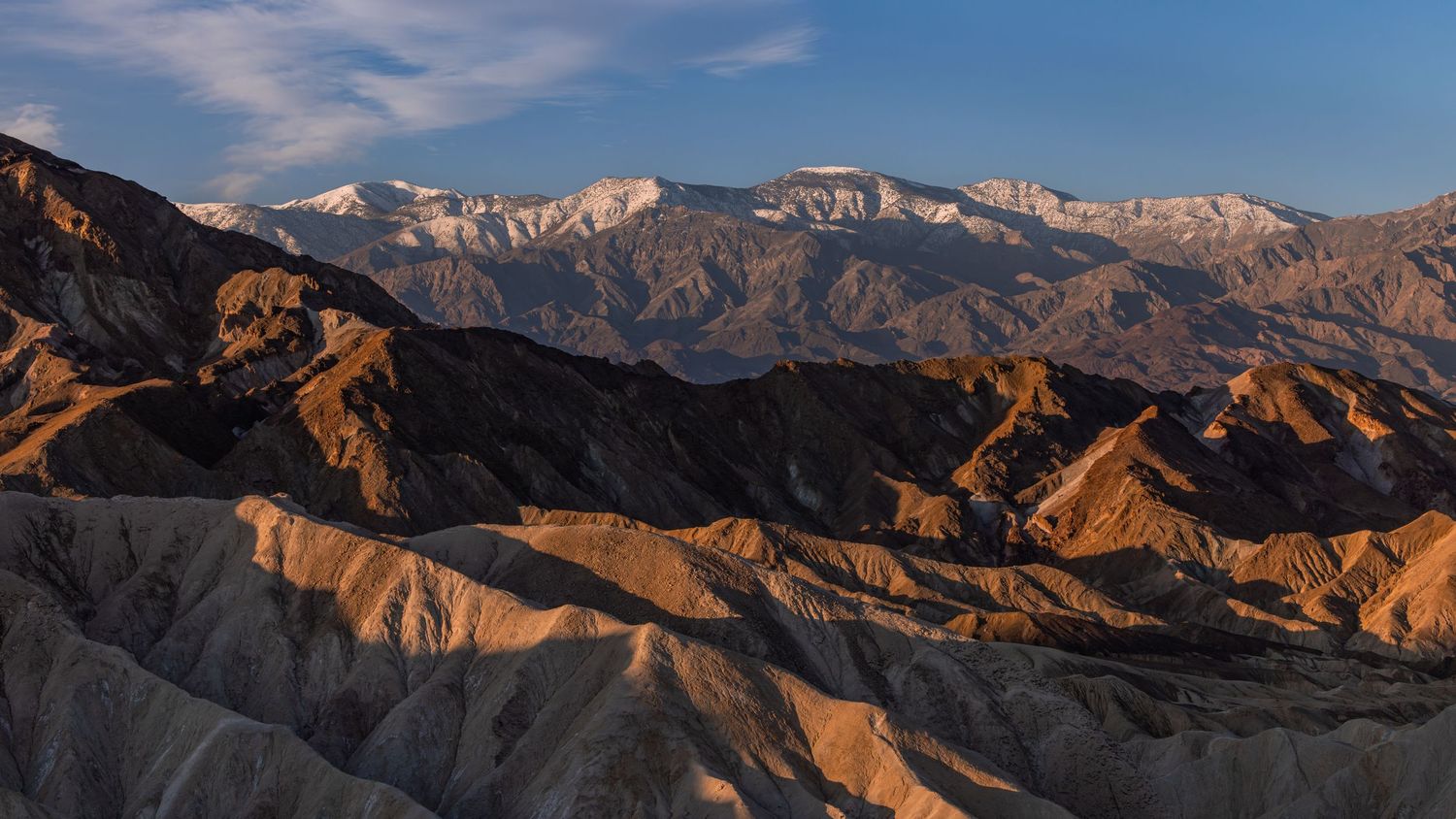
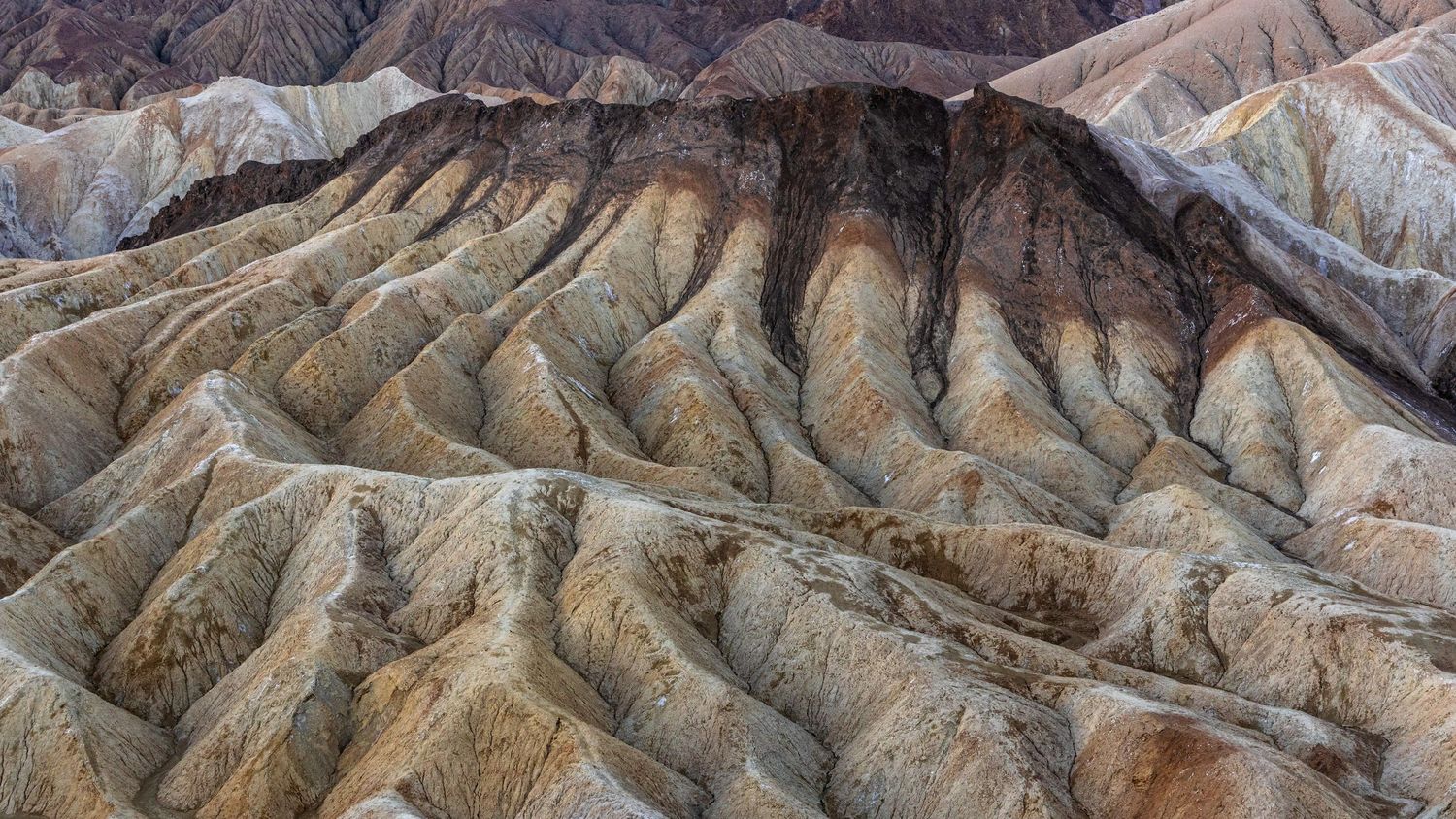
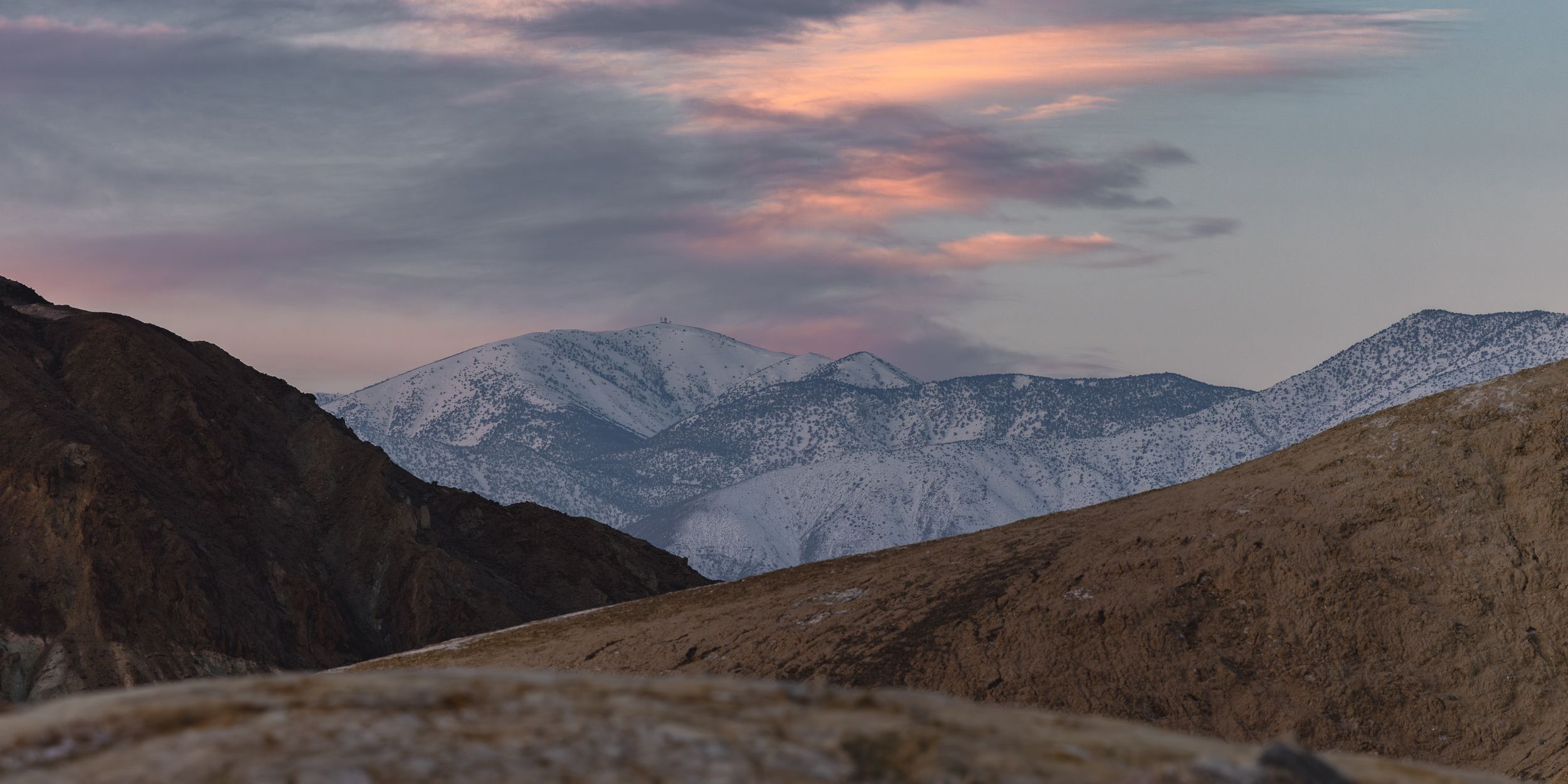
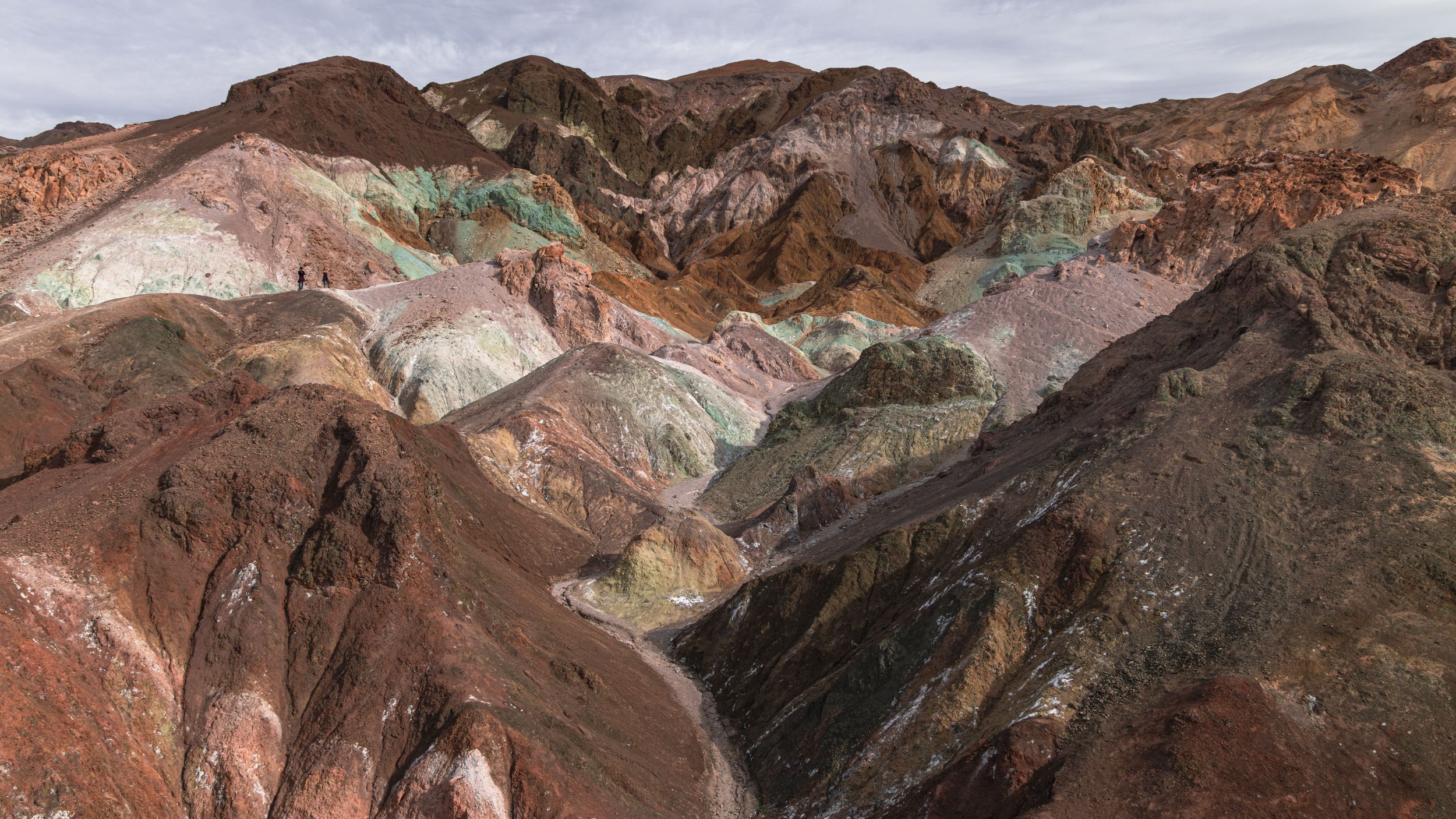
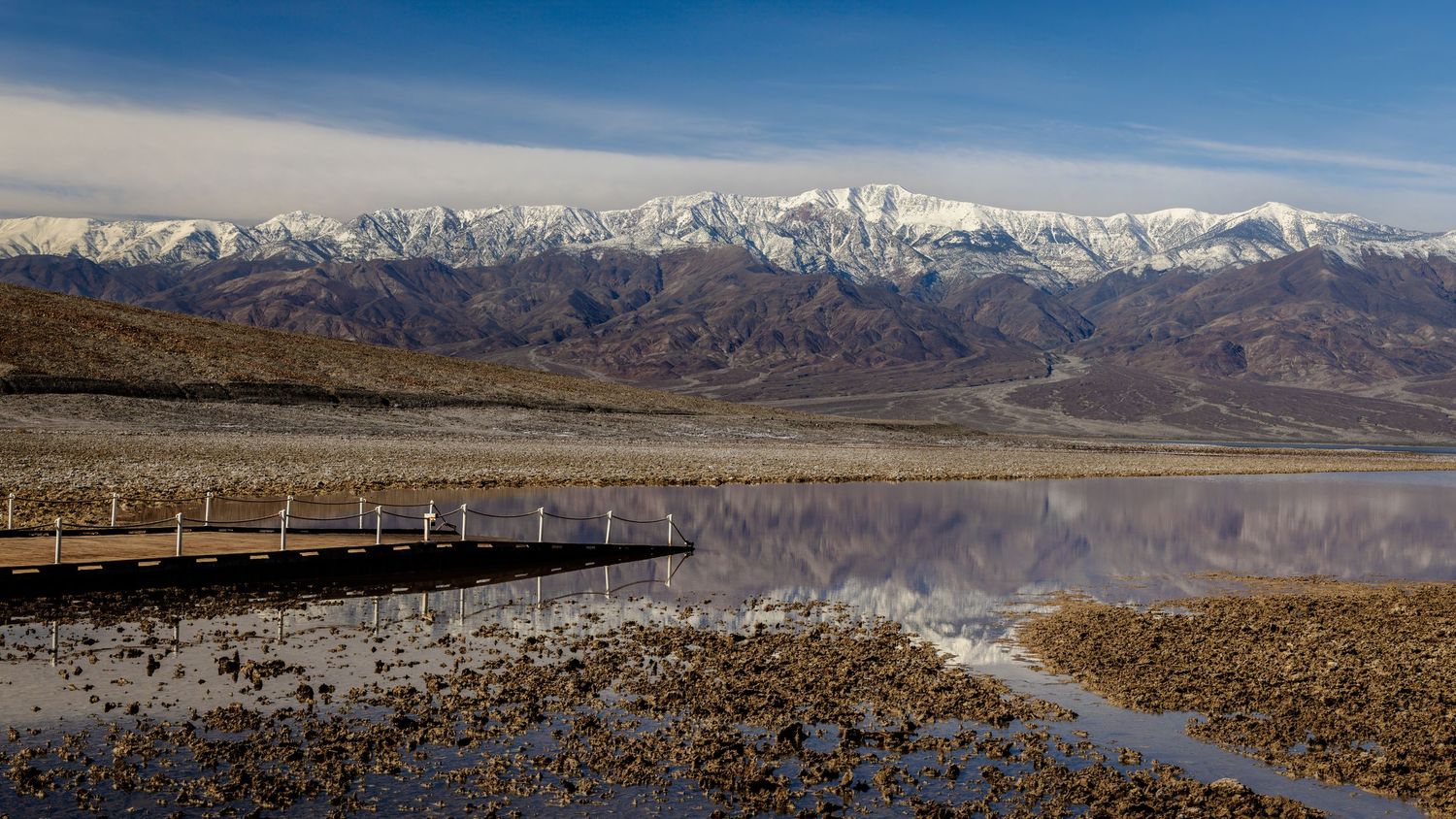
Death Valley National Park is a striking desert expanse located in eastern California and Nevada, known for its extreme conditions and dramatic landscapes. It holds the record for the hottest temperature ever recorded on Earth and features the lowest point in North America at Badwater Basin. Despite its harsh environment, the park is home to unique wildlife, colorful rock formations, sand dunes, and salt flats.
A Road Less Traveled
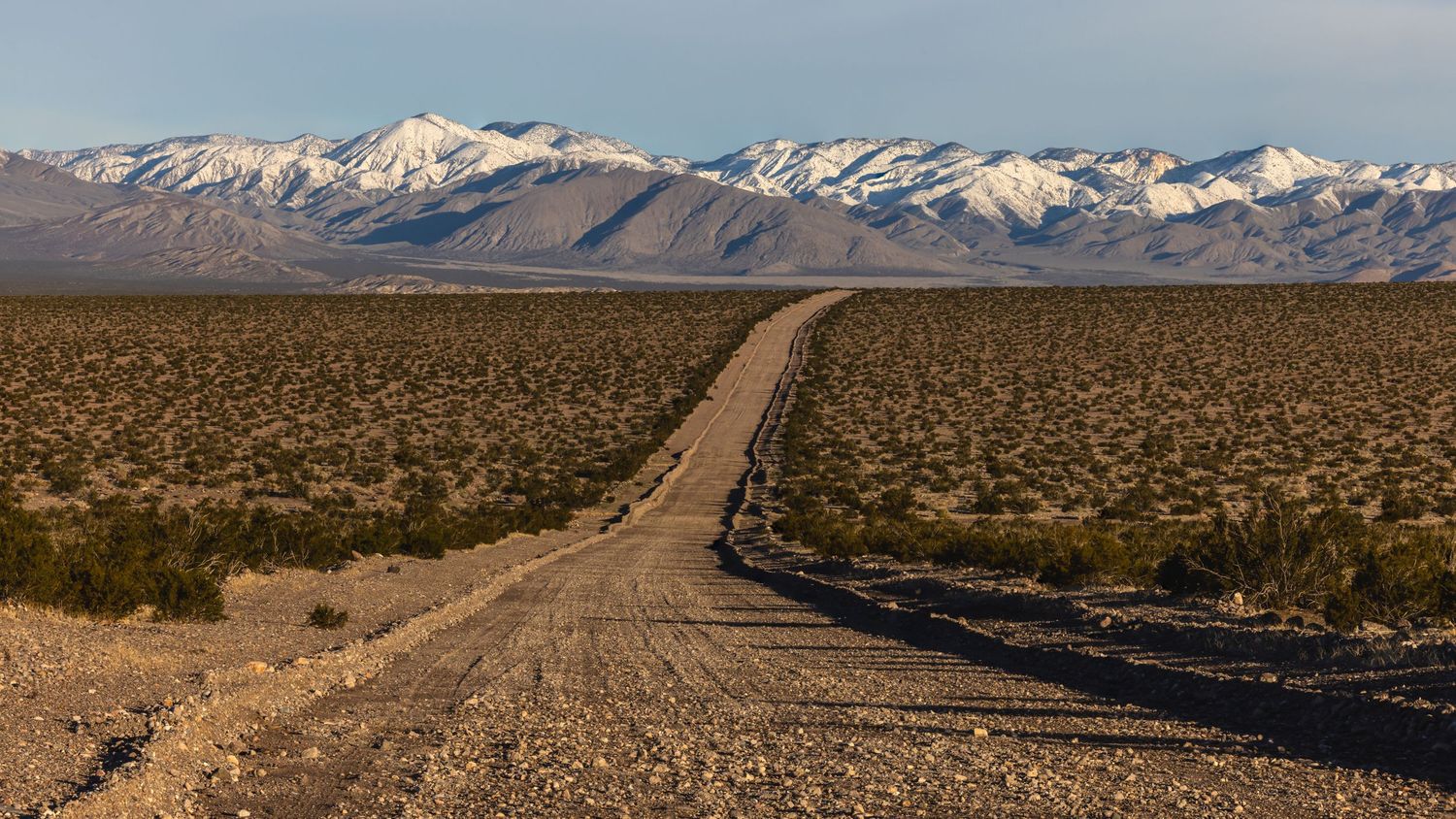
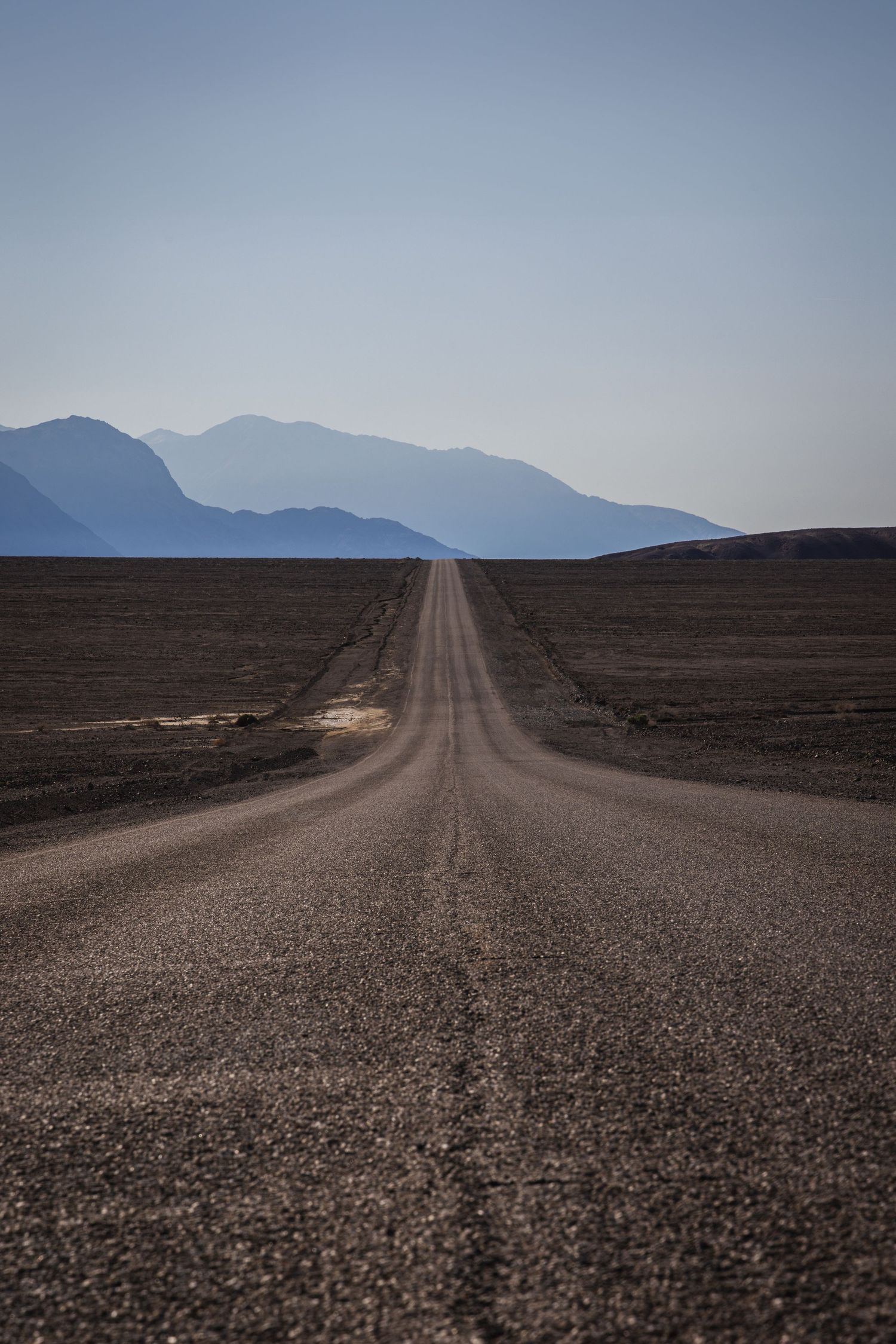
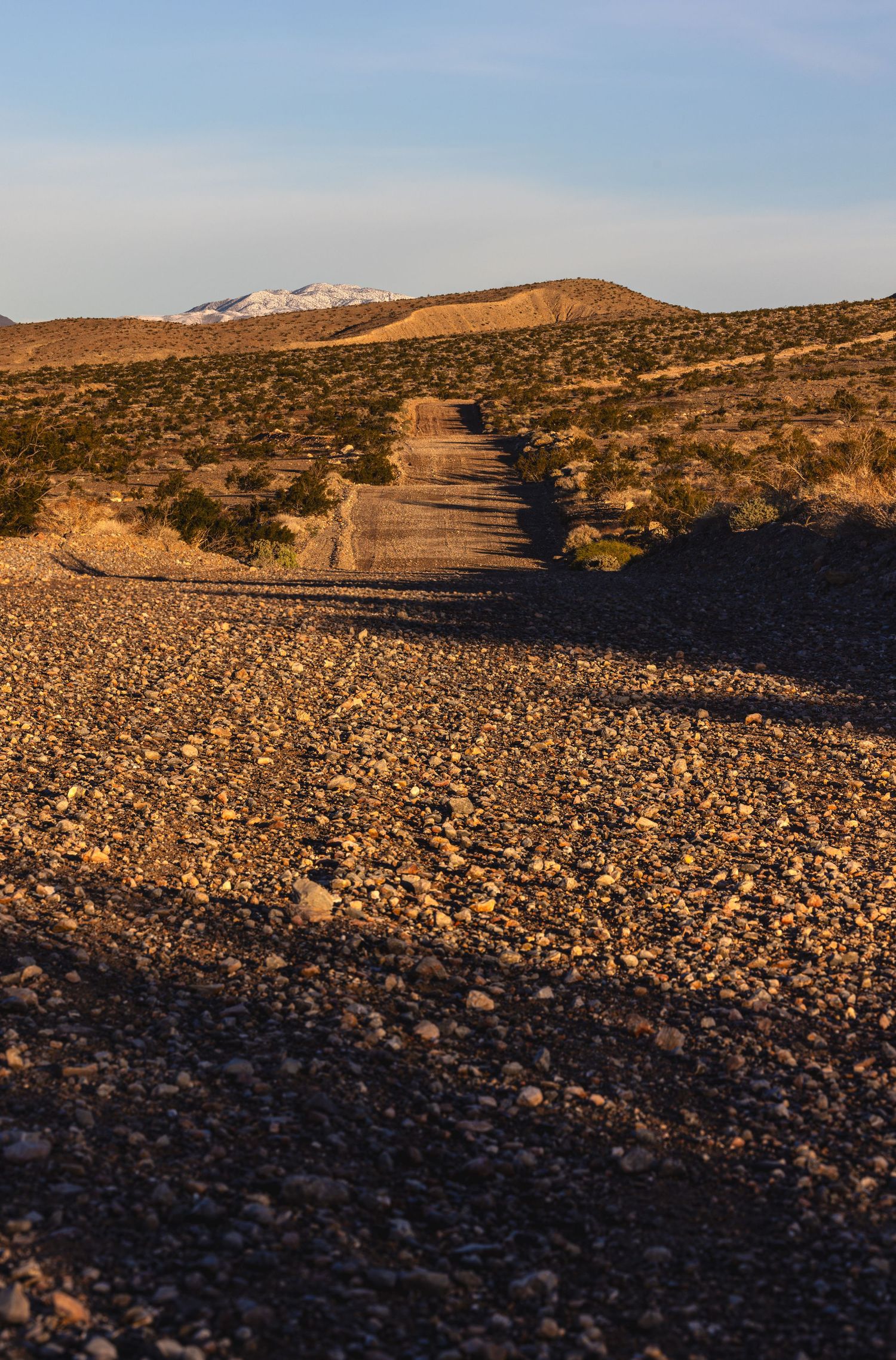
Death Valley National Park boasts more miles of roads than any other national park in the United States, with nearly 1,000 miles of paved and dirt roads winding through its vast desert landscape. These roads provide access to the park’s remote canyons, salt flats, and scenic overlooks, offering adventurous travelers a unique way to explore one of the most extreme environments on Earth.
Eureka Sand Dunes
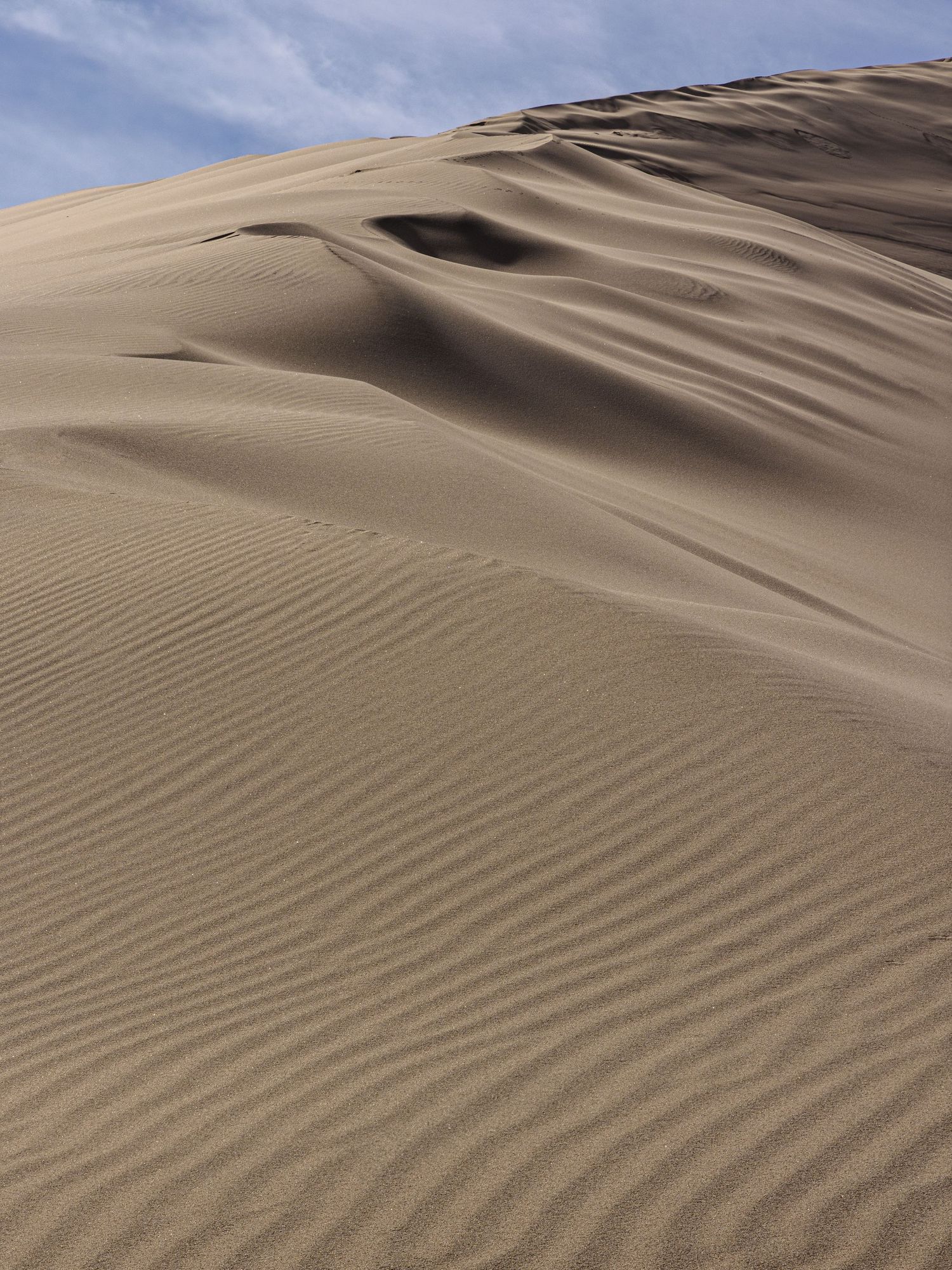
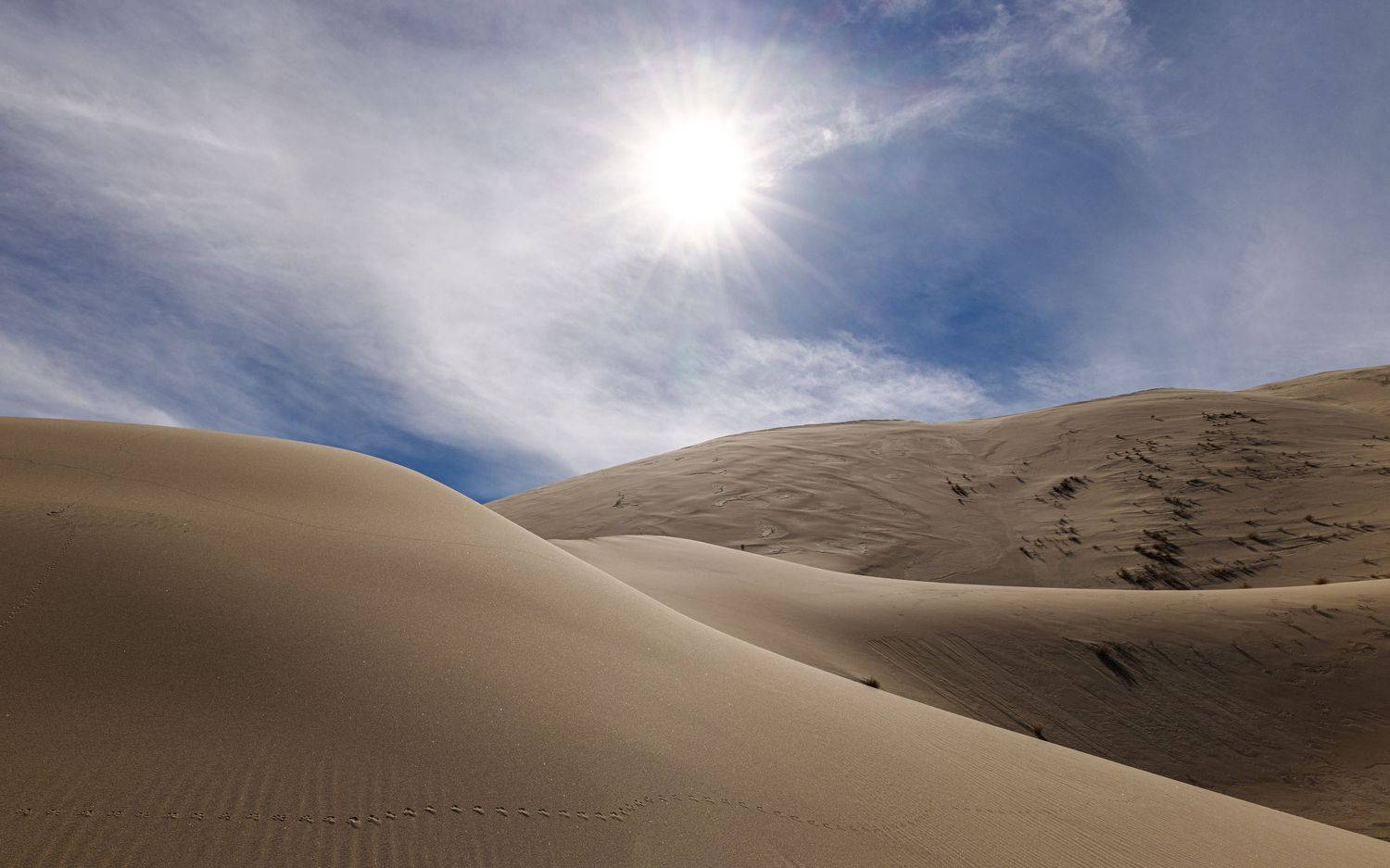
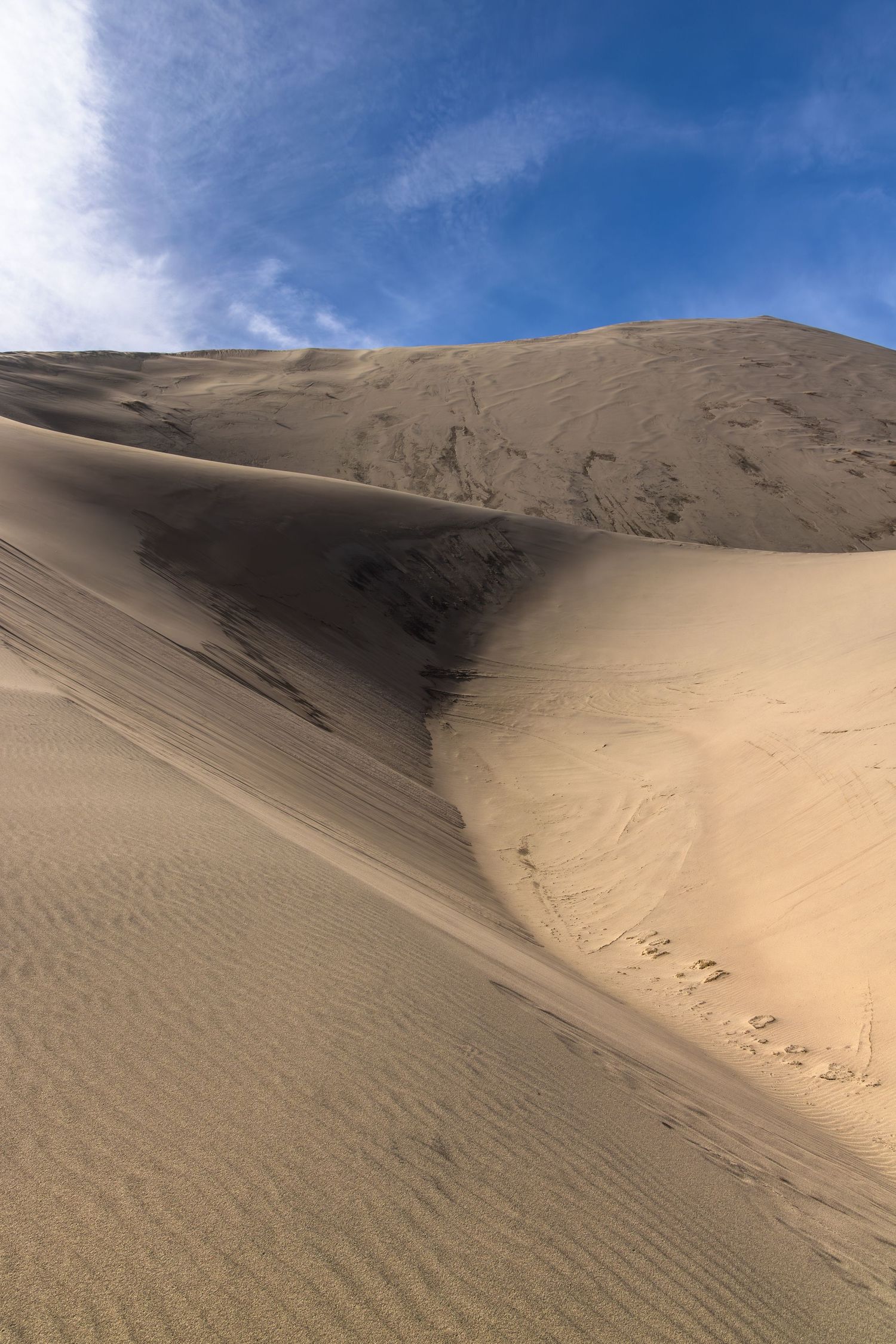
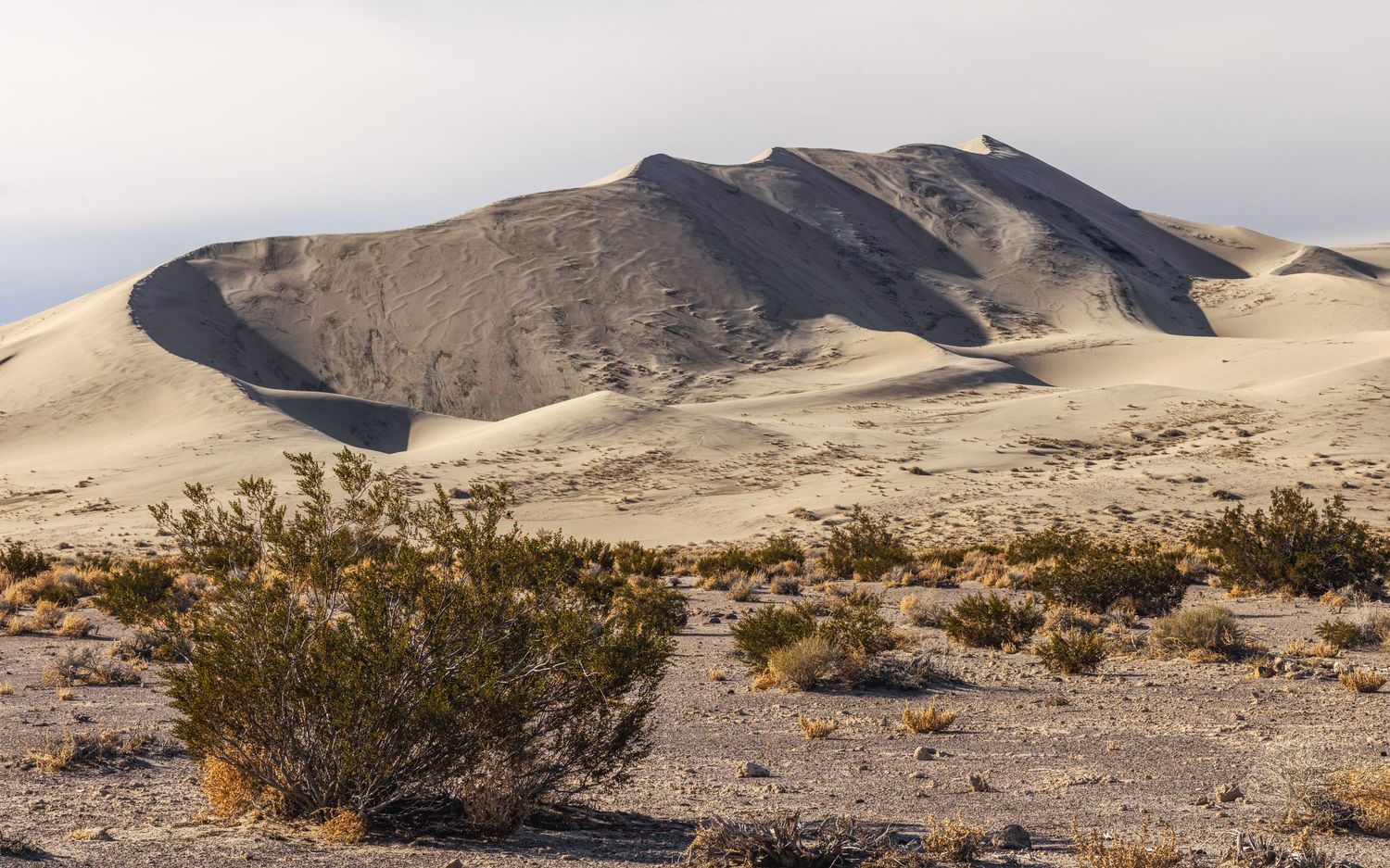
The dunes are among the tallest in North America, rising up to 680 feet in the remote Eureka Valley of Death Valley National Park. These towering dunes are known not only for their impressive height but also for the rare phenomenon of “booming” or “singing” sands—a deep, resonant sound that can occur when sand slides down the slopes under the right conditions.
Hanging Rock Canyon
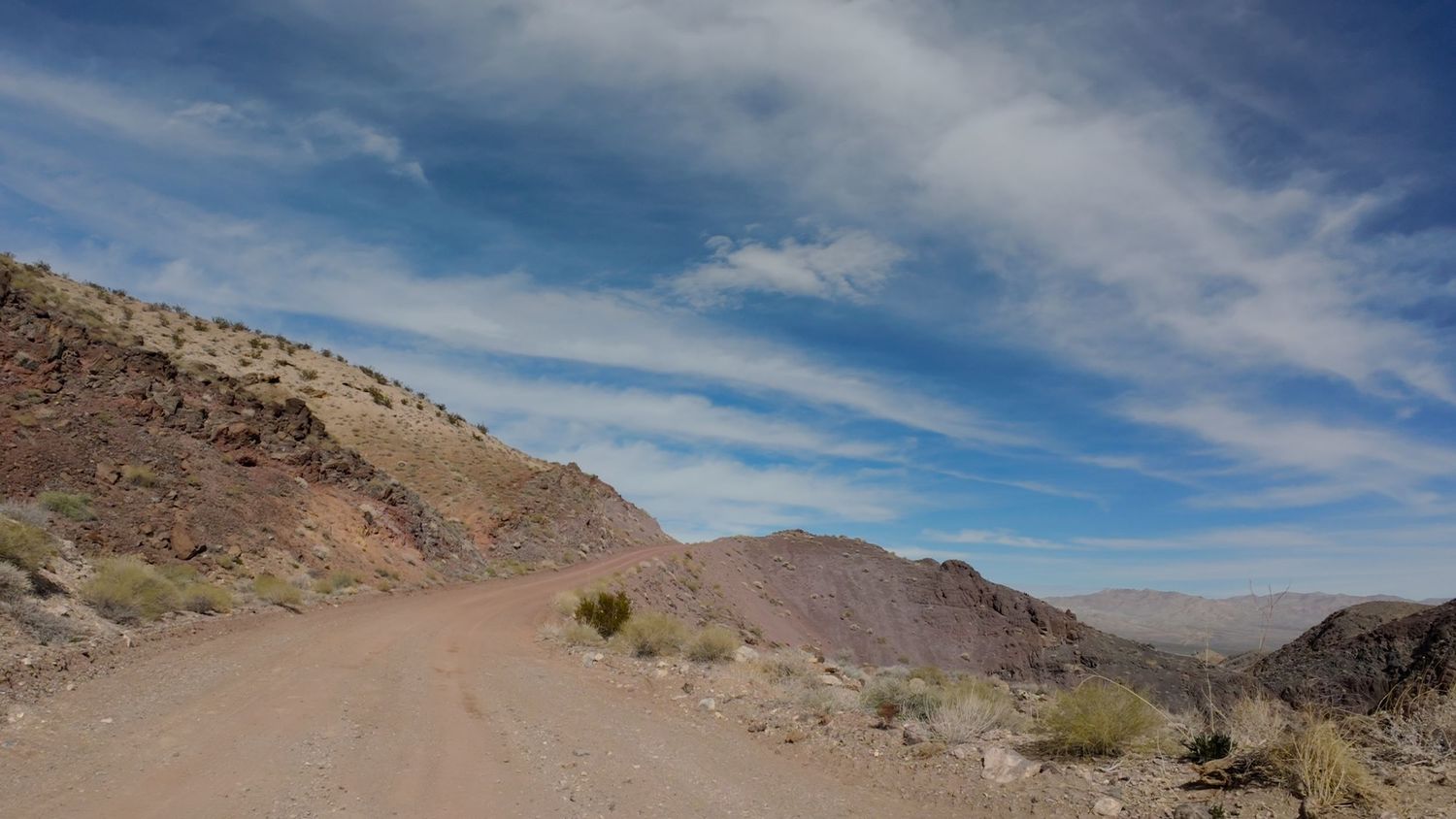
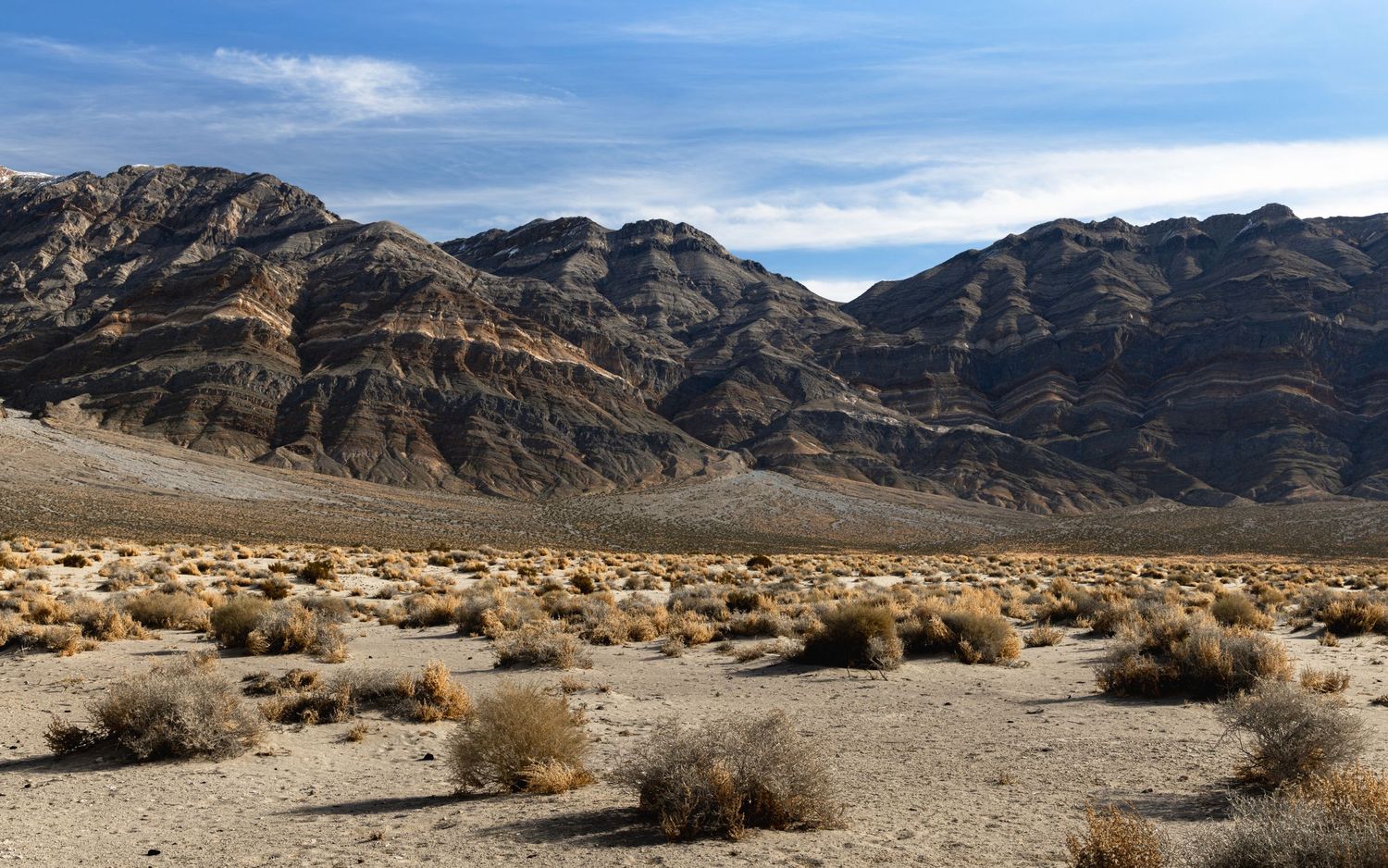
This 11-mile stretch begins where South Eureka Valley Road meets Death Valley/Big Pine Road and offers a dramatic journey through narrow canyon walls and colorful rock formations. The route is part of a lesser-traveled backcountry path that showcases the park’s raw geological beauty and isolation
Dark Sky
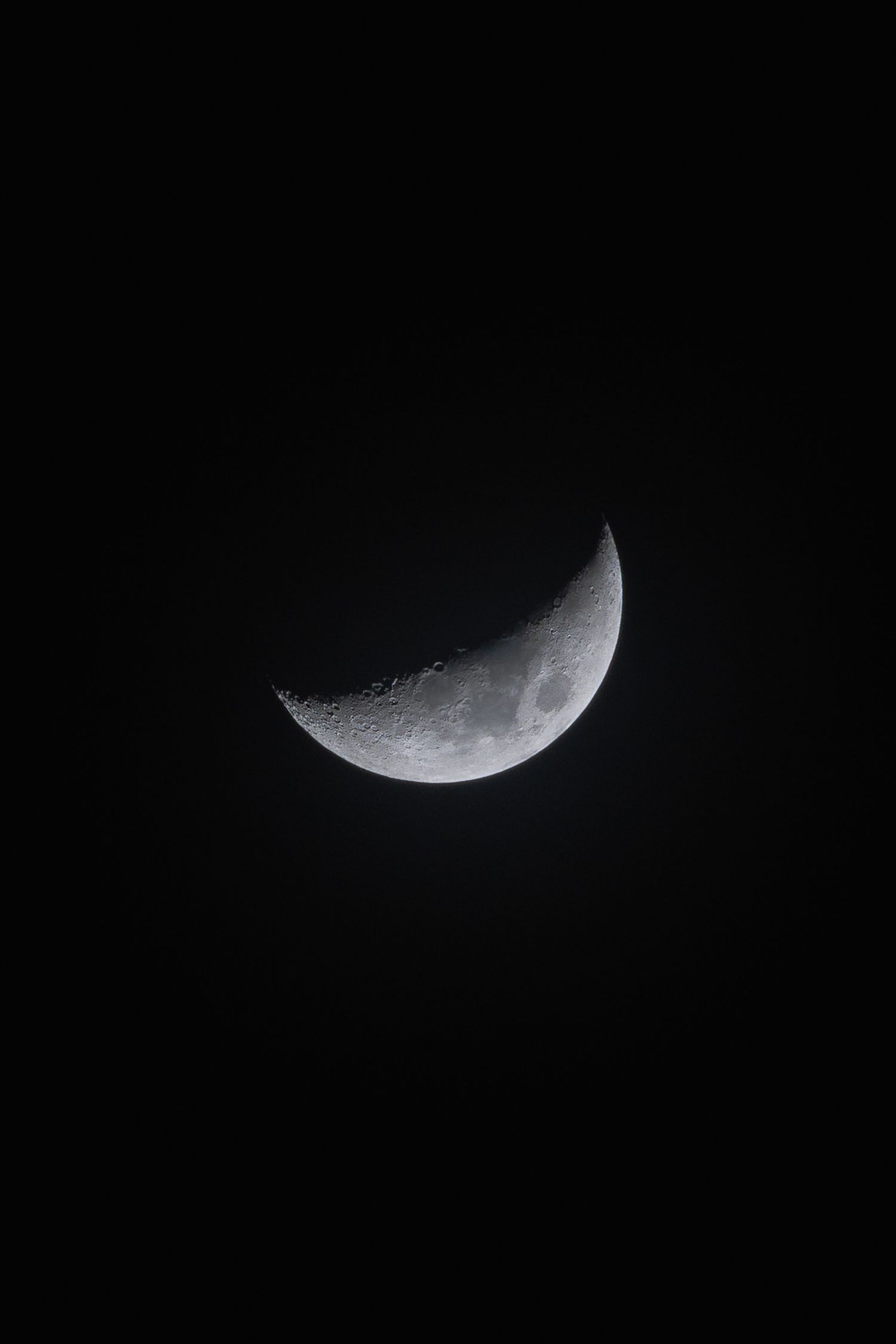
Death Valley National Park is recognized as an International Dark Sky Park, offering some of the clearest and darkest night skies in the United States. The park’s remote location, minimal light pollution, and strict lighting guidelines make it an ideal destination for stargazing.